For many teachers, organizing an international Study Trip is exciting, but getting approval from school leadership and support from parents can feel challenging. Clearly explaining the benefits of educational travel is often the key to gaining that support. Through over 15 years of experience helping students study abroad, we have seen that when school leaders and families understand the academic, personal, and cultural outcomes of these programs, educational travel becomes easier to see as a meaningful investment rather than just a trip abroad.
Educational travel programs that combine structured learning with real-world experiences allow students to develop skills that are difficult to build in a traditional classroom environment. And showcasing just this to leaders and parents is the key to success.
Benefits of educational travel for students
One of the strongest ways to advocate for a program is to clearly explain the benefits of educational travel for students. These programs support learning in several areas at once.
Real-world language practice
When students study a language abroad, they move beyond textbooks and classroom exercises into immersion. Living in a country where the language is spoken allows them to practice daily communication in real situations like ordering food at a restaurant, asking for directions, or chatting with locals at the park. Programs that combine language classes with daily interactions help students gain confidence and fluency much faster.
Cultural understanding and global awareness
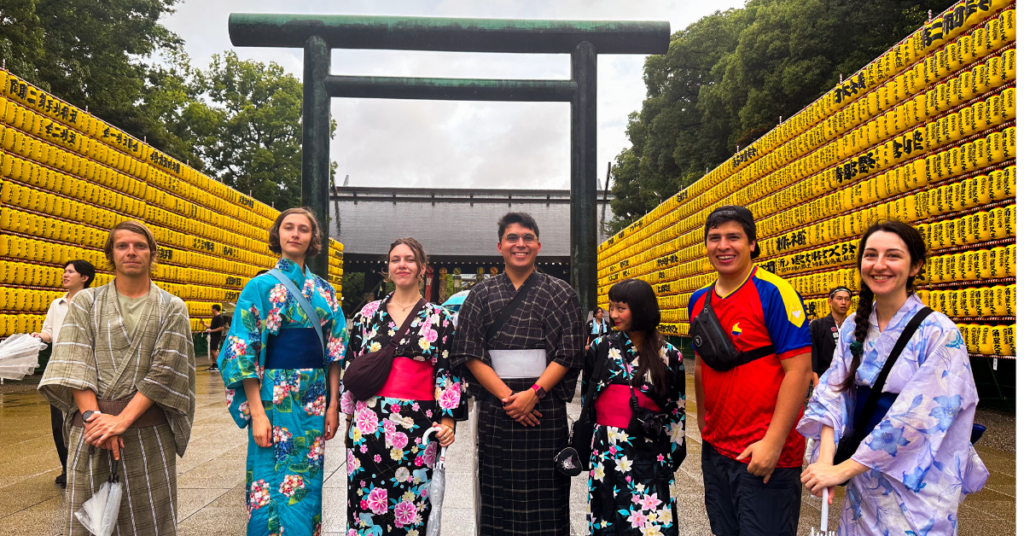
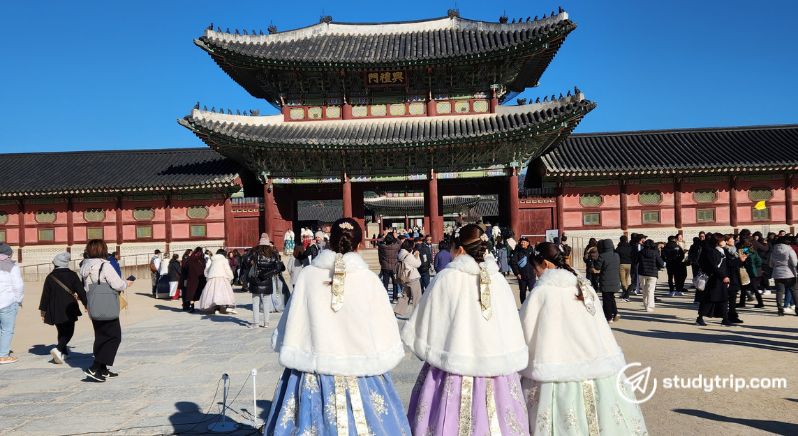
Students who spend time abroad gain a deeper understanding of other cultures, customs, and perspectives. Visiting historical sites like royal palaces in Korea, participating in local traditions like flamenco dancing, and interacting with residents encourages curiosity and empathy. These experiences help students develop a more global mindset.
Personal growth and independence
Traveling internationally helps students build independence and resilience. Navigating a new environment, managing schedules, and working with peers outside the classroom strengthens confidence and problem solving skills.
Stronger classroom engagement after returning home
Many teachers report that students return from Study Trips feeling more motivated and engaged in their studies. Real-world experiences make academic topics feel more relevant and memorable.
Connecting travel to academic outcomes
School leaders often want to understand how travel connects directly to educational goals. When presenting the benefits of educational travel, it helps to frame programs in terms of measurable outcomes.
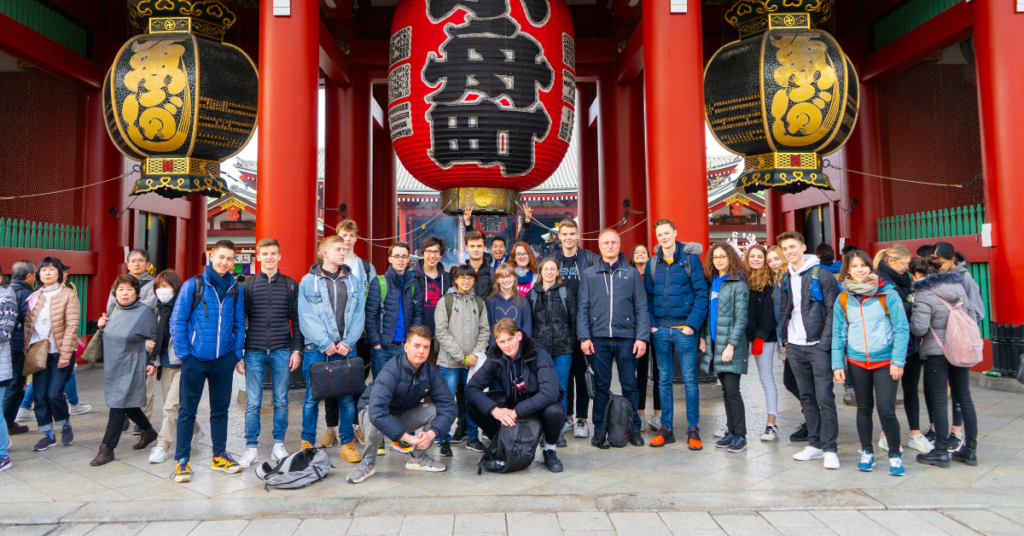
For example, Study Trips that combine structured language lessons with cultural activities provide both academic and experiential learning. Students might attend morning language classes followed by visits to museums, cultural workshops, or historical sites in the afternoon. Courses can be customized further to link curriculum to real life experiences — for example, a group studying manufacturing could visit the Nissan Factory in Japan.
Programs lasting two to four weeks can deliver meaningful results because they balance classroom instruction with cultural immersion. Students have enough time to adapt to their environment, build routines, and actively apply what they learn.
Explaining the long term value to parents
Parents often focus on safety, supervision, and whether the trip is truly educational. Addressing these concerns early makes conversations much easier.
When explaining the benefits of educational travel, teachers can highlight how these programs support skills that universities and employers value, including:
- Cross-cultural communication
- Adaptability and independence
- Global awareness
- Language proficiency
- Confidence in unfamiliar environments
Parents also appreciate knowing that the trip includes structured learning rather than only sightseeing. Programs that combine academic lessons with cultural activities show a clear educational purpose.
Practical ways teachers can advocate for Study Trips
Teachers do not need complex presentations to communicate the value of educational travel. A few simple strategies can make a big difference.
Share clear program structure
Explain how each day balances learning and activities. For example, students may attend language lessons in the morning followed by guided cultural experiences in the afternoon.
Provide examples of activities
Hands-on cultural activities help make the program feel tangible. Workshops, historical visits, and community experiences show how learning continues outside the classroom.
Highlight destinations with strong educational value
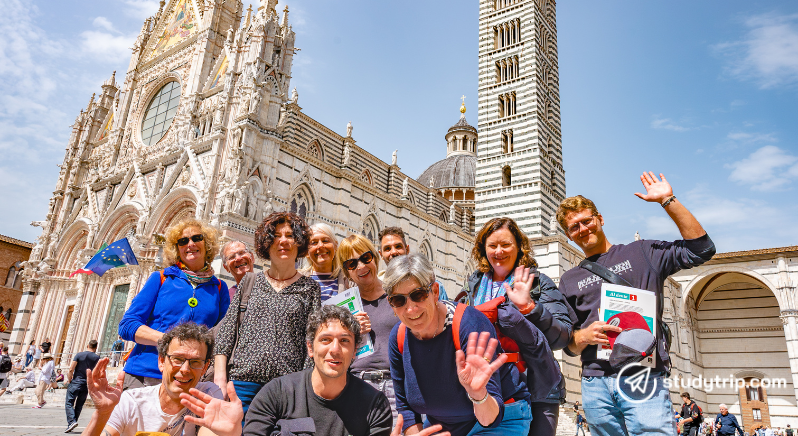
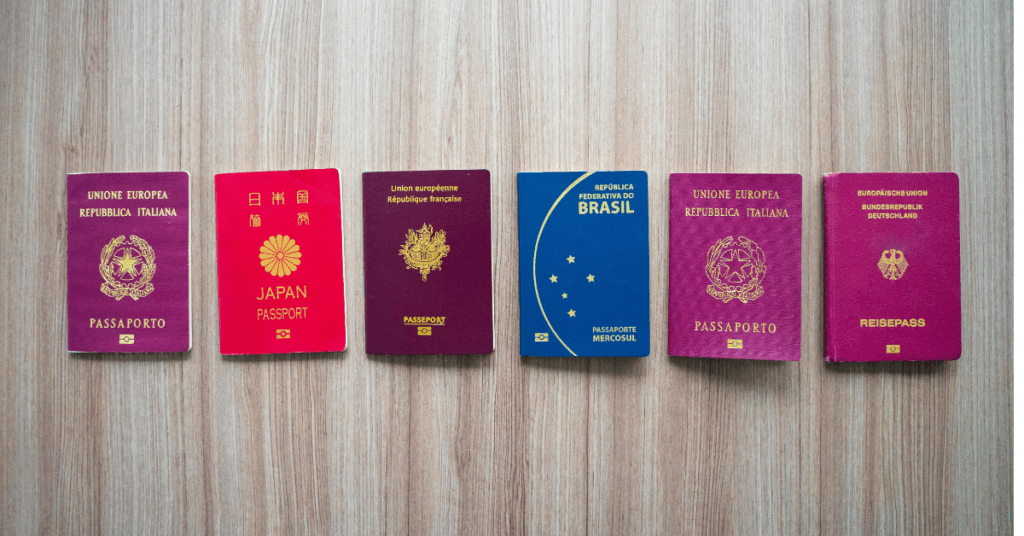
Countries with rich cultural heritage and strong language education programs offer particularly meaningful experiences. Study programs in places like Japan, Korea, Italy, France, and Spain allow students to combine language learning with exposure to history, art, food, culture, and daily life.
Share outcomes from past programs
Testimonials, student reflections, and photos from previous trips help parents and school leaders visualize the impact.
Positioning educational travel as an investment
The most effective way to gain support is to frame travel as an extension of the classroom rather than a separate activity. When teachers clearly explain the benefits of educational travel, school leaders can see how these programs support curriculum goals and student development.International Study Trips that combine language education with cultural immersion create learning experiences that stay with students for years. By presenting clear outcomes, structured learning, and meaningful cultural engagement, teachers can confidently show why educational travel deserves a place in modern education. To get started planning your Study Trip, get in touch today! We are happy to help support you with preparing to present and grow the program to your school leadership and parents.