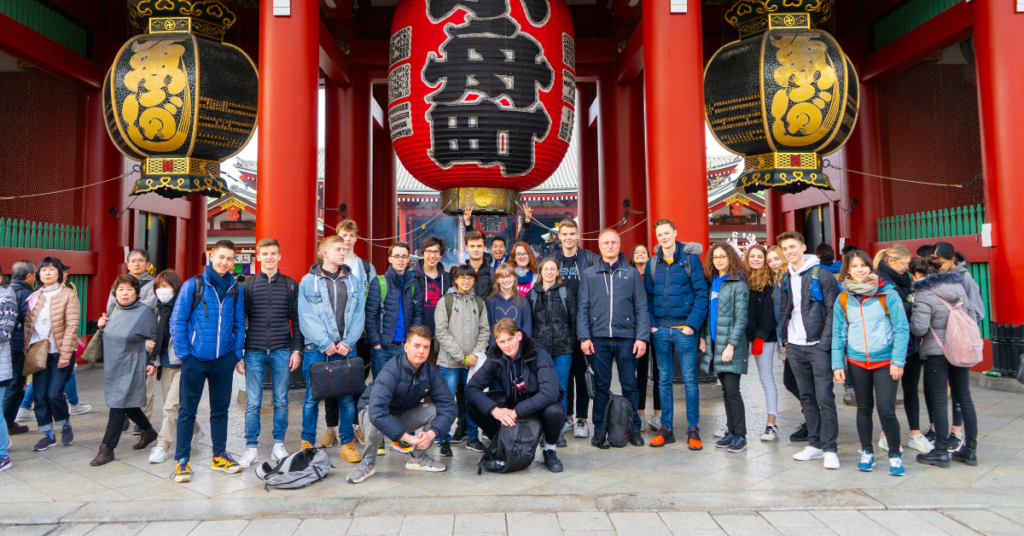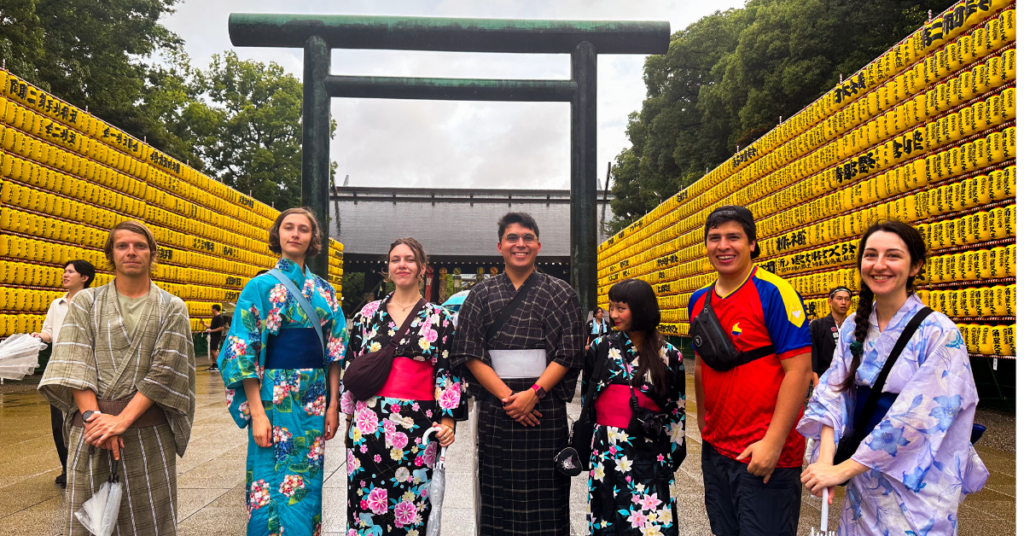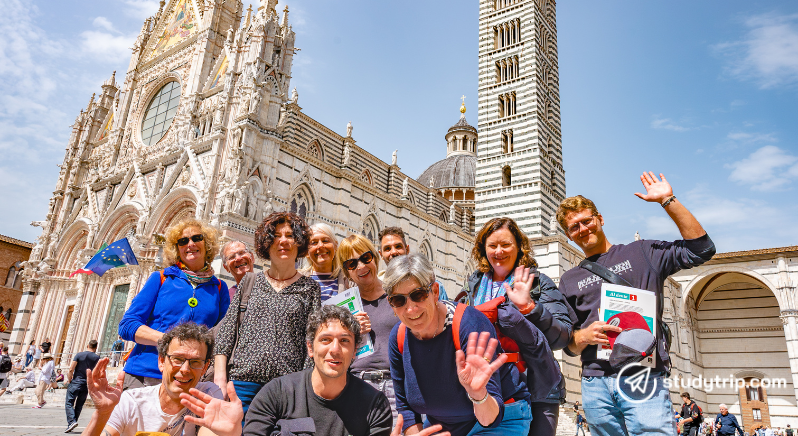
As an educator, you may have experienced the common problem of students returning from a long break and seemingly starting over in their language studies. It can be demotivating for both teachers and students to feel such a loss of progress after months or years of learning. Retaining vocabulary, grammar, and confidence is one of the biggest challenges in language education. By learning a language in its native context, students can strengthen comprehension, usage, and ultimately improve language retention through travel.
What is language retention through travel?
Language retention through travel: learning beyond the classroom
Language retention refers to the ability to maintain, recall, and actively use language skills over time without significant decline. It involves transferring knowledge from short-term to long-term memory through repetition, consistent exposure, and real-world usage.
In a traditional classroom setting, students may only use the target language during scheduled lessons. Outside of class, opportunities for meaningful practice are often limited, which can lead to skill decline. Language retention through travel works differently. When students are immersed in a destination where the language is spoken daily, they are required to recall vocabulary and grammar throughout the day in practical situations.
For example, a student may learn how to order food early in their studies but forget these basics as lessons progress to more complex structures. While traveling, that same student orders meals repeatedly throughout their stay. This repetition reinforces foundational language, strengthens confidence, and helps transfer knowledge into long-term memory.
How cultural immersion reinforces language use
Cultural immersion plays a key role in language retention through travel by exposing students to the language in authentic, everyday situations. Immersion encourages learning through listening, speaking, reading, and situational understanding.
- Listening: Students waiting on a train platform in Italy hear announcements about arrivals, departures, and safety reminders so they can solidify language skills related to transportation systems in Italian.
- Speaking: Students in Barcelona practice conversational Spanish while ordering tapas or speaking with local shop owners.
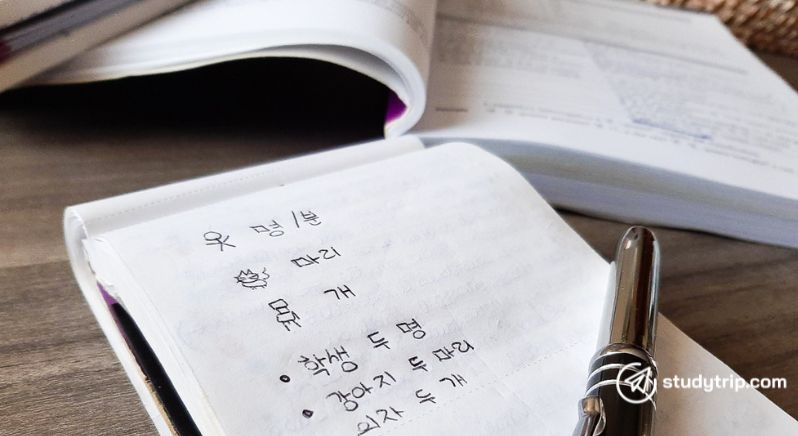
- Reading: Students in Seoul reinforce Hangul recognition by reading signs, menus, and public notices throughout the city.
- Situational understanding: Students in Tokyo gain cultural context during homestays by learning common phrases used during meals, greetings, and daily routines.
Through daily exposure and repetition, students begin to recognize patterns more quickly and use language more naturally.
Cultural activities that support long-term retention
Cultural activities included in structured Study Trip programs are especially effective in supporting language retention through travel. These experiences are often difficult for students to access independently, making thoughtfully designed programs essential.
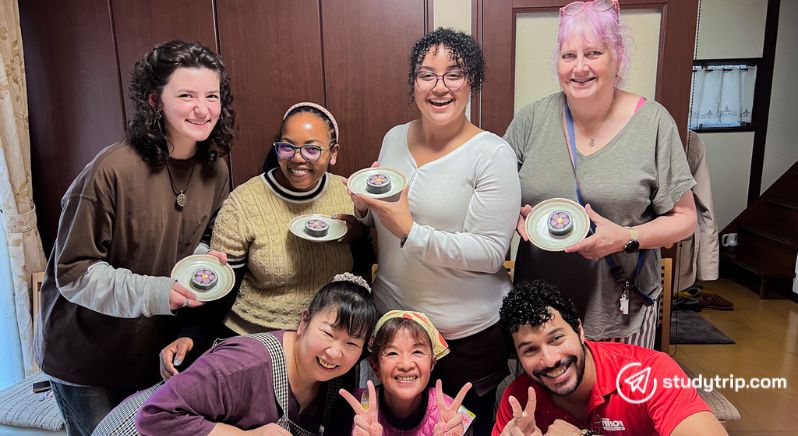
Cooking classes and food culture
Cooking classes introduce practical vocabulary related to ingredients, instructions, and collaboration. Students naturally repeat language in a relaxed and memorable setting, which reinforces learning.
Homestays and daily life
Homestays expose students to language used in daily routines rather than scripted classroom scenarios. The emotional connection formed with host families often improves recall and builds confidence.
Festivals, traditions, and local events
Festivals and community events expose students to informal speech and cultural nuance. These environments help strengthen listening comprehension and adaptability in unfamiliar situations.
Why short-term immersion still works
While it is often assumed that meaningful language acquisition requires a semester or year abroad, even short-term programs of two to four weeks can have a lasting impact. The quality and structure of a program matter more than its length.
A well-curated short-term Study Trip combines focused language lessons with immersive cultural activities, which creates consistent opportunities for active use. This approach allows students to significantly improve language retention through travel while remaining motivated and engaged.
Benefits for schools and agencies
Study Trips offer benefits beyond student learning outcomes. For schools and agencies, these programs can:
- Improve student engagement and overall satisfaction
- Differentiate offerings for parents and stakeholders
- Demonstrate clear educational value beyond tourism
- Provide purposeful programs focused on real-world language use
Designing programs that maximize retention
Effective programs align language lessons with cultural activities to reinforce learning throughout the day. Consistent language exposure across classrooms, activities, and accommodations helps students stay engaged. Local instructors, guides, and host families also play a crucial role in creating an authentic learning environment.
While the value of short-term Study Trips may be clear, planning one can feel overwhelming for busy educators. Coordinating lessons, activities, accommodations, and local partnerships requires time and expertise. At studytrip.com, our team has over 15 years of experience supporting schools and agencies with immersive language programs across Japan, Korea, Italy, France, and Spain. We handle the logistics so educators can focus on preparing students for a meaningful learning experience.
Conclusion: immersion as an educational strategy
Classroom-based learning provides an important foundation, but language retention through travel offers a powerful advantage. Daily exposure, cultural engagement, and real-world practice help students retain what they learn long after the trip ends. For schools and agencies seeking impactful language programs, immersive Study Trips provide an effective and memorable educational experience. If you are interested in planning a program for your students, get in touch to learn how our team can help.