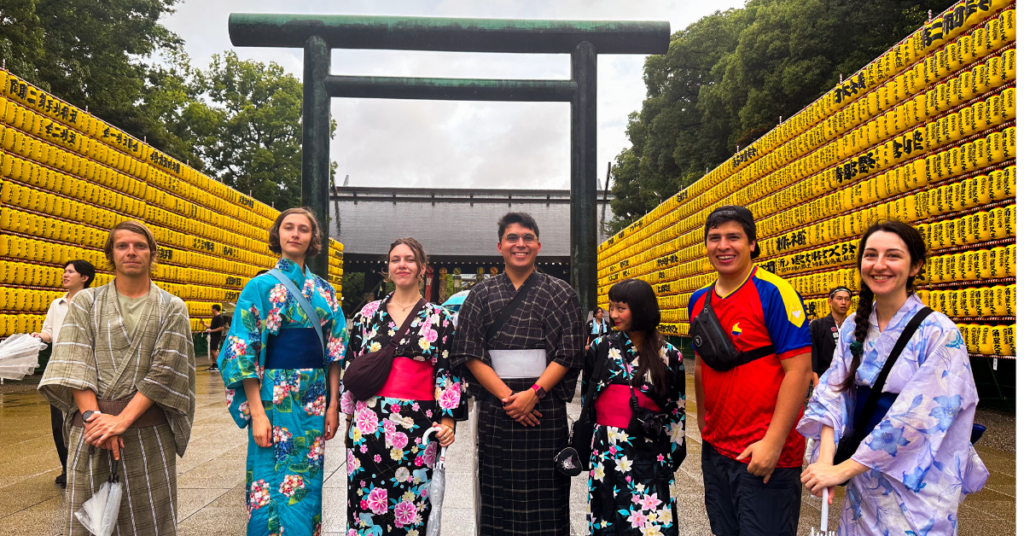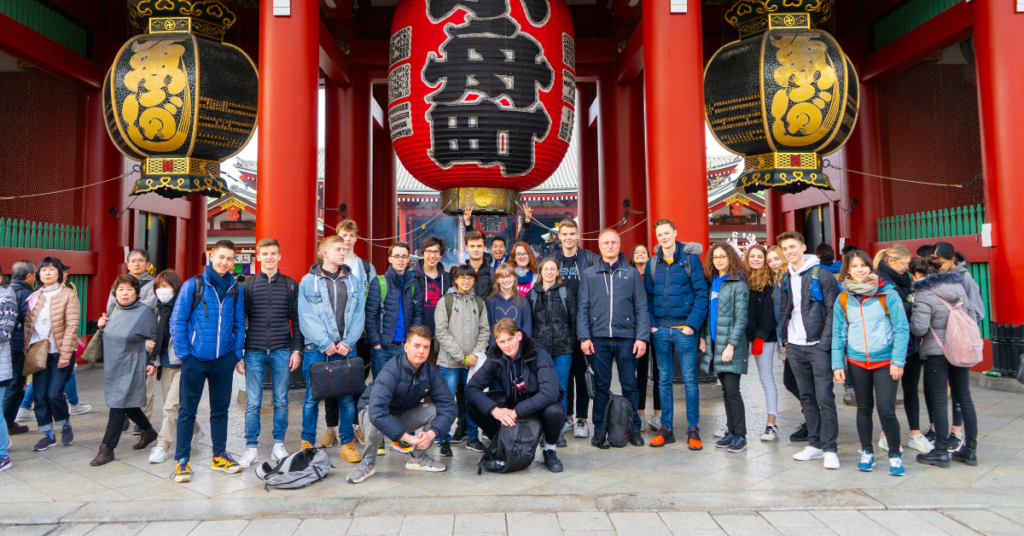
A high school study trip is often viewed as a chance for students to travel abroad and experience a new culture. For teachers, however, planning a trip overseas can feel daunting. Students and parents often have high expectations about the impact the experience will have, both academically and personally. Drawing on over 15 years of experience supporting study abroad students, we have compiled a few quick tips to help you create a truly impactful trip for your students.
Cultural Readiness is KeyWhy Cultural Readiness is key on a High School Study Trip
Many high school students have never traveled abroad before, which makes preparation an essential part of any high school study trip. Educators play a key role in helping students adapt, communicate, and problem-solve once they are on the ground.
Cultural readiness means students understand local customs, social expectations, and everyday differences that may initially feel unfamiliar. This kind of preparation helps reduce culture shock and allows students to approach new situations with confidence rather than uncertainty.
For example, students may already know they will need to remove their shoes in a homestay in Japan, or that afternoon siesta hours in Spain can mean shops and restaurants close for part of the day. When students are prepared for these differences through cultural awareness, they are more likely to engage with the culture, ask questions, and learn from the experience instead of feeling overwhelmed.
Group Dynamics Can Make or Break a Trip
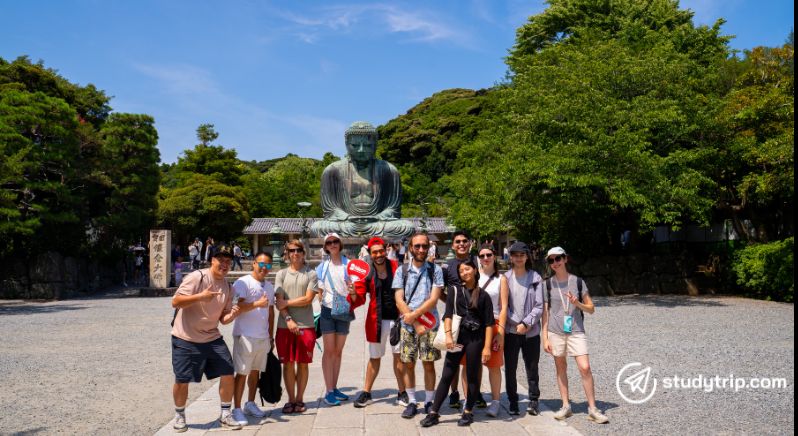
Travel naturally brings group dynamics to the surface. A high school study trip gives students the opportunity to practice teamwork, communication, and leadership in ways that rarely happen in a classroom setting.
Teachers often notice a shift in dynamics once students are outside their usual school environment. This can be especially true when students from different classes, grade levels, or even schools are traveling together for the first time. In these cases, intentionally building a positive group dynamic becomes essential. From our experience, group dynamics can truly make or break a trip.
We strongly recommend holding at least one pre-trip meeting with the full group before departure. This helps build excitement, sets expectations, and gives students the chance to get to know one another ahead of time. Including simple icebreakers or team-building activities can go a long way in creating a sense of trust and connection before traveling together.
One advantage of traveling through an agency is the on-the-ground support available once you arrive. Our Tour Leaders work closely with teachers to support group dynamics throughout the trip and step in when needed to encourage inclusion and positive interaction.
As one former student shared after their program, our staff helped create an environment where students felt comfortable connecting, collaborating, and supporting one another throughout the experience.
“All of them were so incredibly sweet and really treated us like people, they talked to us and joked with us and weren’t just an escort, it means so much when people make connections and it really helped make exploring more comfortable and made the trip feel more personal with the connections we all made.”
- Madysen – USA
The Lasting Impact of Short-Term High School Study Trips
A great high school study trip is not defined by length alone, but by how intentionally the experience is designed. When students are challenged to engage with the local culture, work through unfamiliar situations, and reflect on what they are learning, even short programs can have a meaningful impact.
Teachers frequently report that students return home more motivated in their language studies and more confident in their ability to navigate new environments. Many also show a stronger interest in future international opportunities, whether through continued language learning or later study abroad programs.
Real-world experiences play an important role in developing critical thinking, adaptability, and global awareness. When these elements are built into a study trip, the learning continues well after students return home.
Support Systems Are Essential for High School Study Trips
Even with strong preparation, challenges will come up once a trip begins. Having the right support in place is a key ingredient of a successful high school study trip.
On-the-ground support allows teachers to focus on their students while knowing help is available for logistics, communication, and group dynamics. Experienced local staff can step in when plans change, support students who are struggling, and help reinforce expectations in an unfamiliar environment.
From our experience, trips run more smoothly when teachers are not expected to manage everything alone. A strong support structure helps maintain momentum, reduces stress, and allows students to stay engaged throughout the program.
Bec, one of our partners from Curtin University in Australia said “Our experience was fantastic, the team supported our requests and gave valuable recommendations during the planning stage. During our time in Tokyo the team made sure everything went smoothly, all participants were well cared for and enabled to have a thoroughly enjoyable and authentic experience learning.”
Bringing It All Together
What makes a great high school study trip is not a single activity or destination. It is the combination of thoughtful preparation on cultural readiness, intentional group dynamic building, and reliable support throughout the experience.
When these elements are in place, students are more likely to grow in confidence, adapt to new situations, and reflect meaningfully on what they are learning. For teachers, this approach helps ensure the trip meets both educational goals and student and parent expectations.If you are beginning to plan a high school study trip and want support designing a program that aligns with your students’ needs and learning objectives, we are happy to share what we have learned through more than 15 years of experience working with schools. Get in touch today!