A well-designed Study Trip breaks down classroom walls, turning passive learning into active observation, investigation, and discovery. By taking an interdisciplinary approach to educational travel, educators can transform a standard itinerary into a high-impact multidisciplinary study abroad experience that engages diverse learning styles, reinforces classroom lessons, and maximizes educational value. With thoughtful planning, a single destination becomes a dynamic living classroom for history, art, science, technology, language, and culture.
Here’s how to design a curriculum-linked Study Trip that weaves these subjects together into one cohesive, meaningful itinerary, and give students a global perspective that lasts far beyond graduation.
Why a multidisciplinary Study Trip works
Traditional classroom schedules separate subjects into neat, isolated blocks. However real-world problems and historical developments are more complex and multifaceted.
When students engage in multidisciplinary learning on a Study Trip, they:
- Deepen knowledge retention: Connecting a single destination to multiple disciplines makes concepts easier to remember.
- Engage diverse student interests: A student who feels less interested in history might become fully engaged when studying the structural engineering or local fauna of a historical site.
- Develop critical thinking: Connecting ideas across art, science, and language helps build stronger analytical skills.
Combining multiple subjects into one Study Trip itinerary
Designing an interdisciplinary trip doesn’t mean cramming four separate schedules into one day. Instead, it’s about finding destinations where subjects naturally intersect.
Case study: A three-day multidisciplinary Study Trip in Tokyo, Japan
| Subject | Activity / Site | Learning Objective |
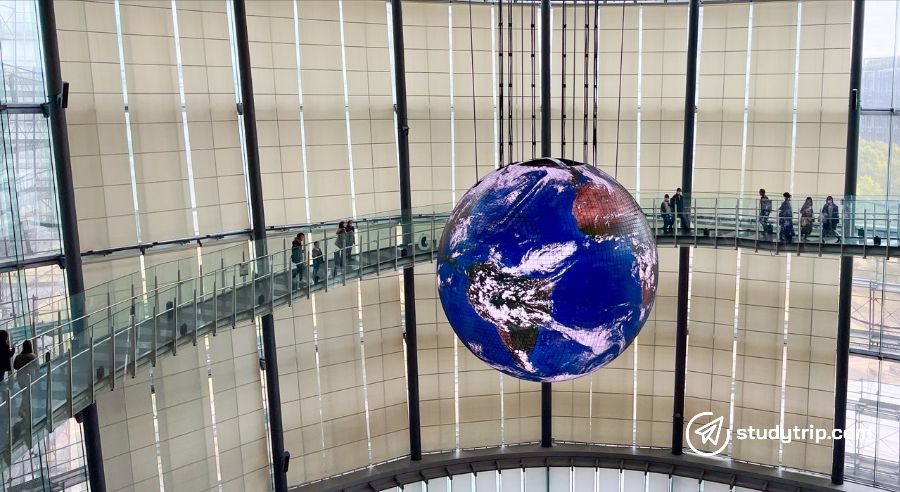
| Technology & Science | Miraikan (National Museum of Emerging Science and Innovation) | Explore robotics, space exploration, and AI design. |
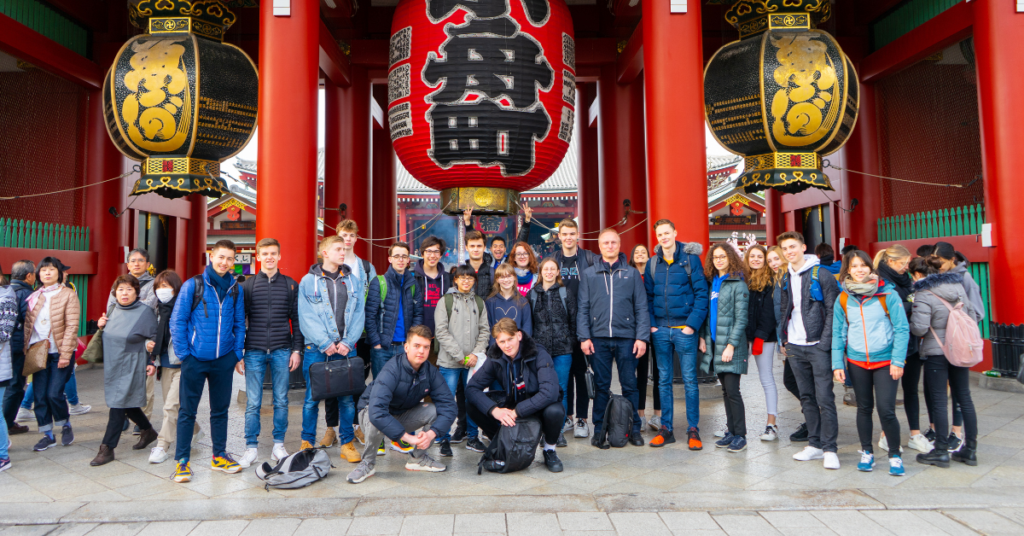
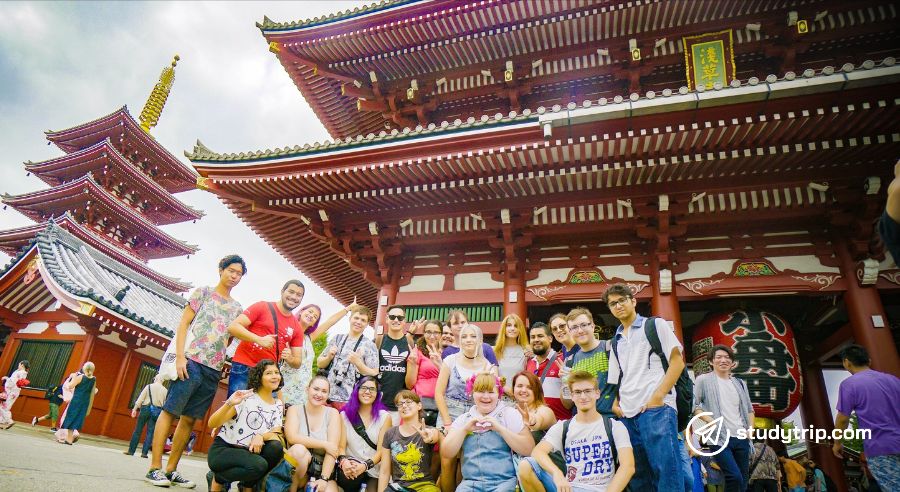
| History & Architecture | Sensō-ji Temple in Asakusa | Study wooden joinery architecture, Edo period history, and Buddhist cultural traditions. |
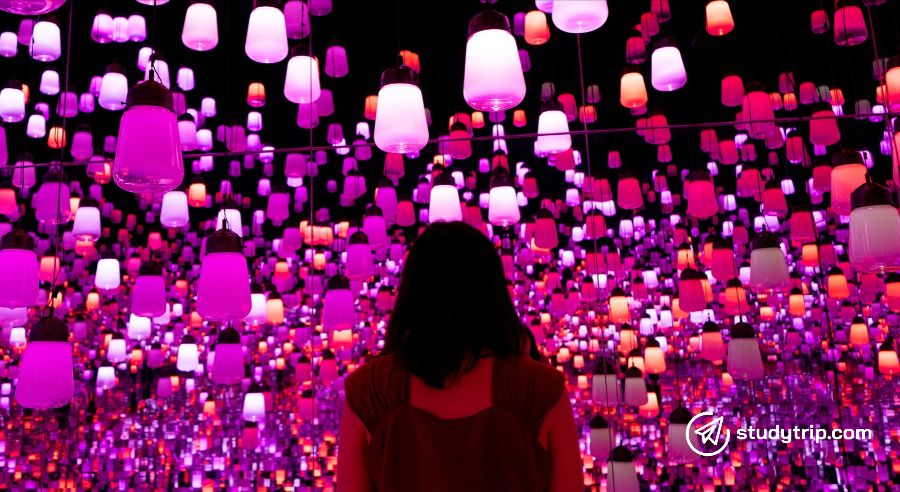
| Art & Media | teamLab & Akihabara | Analyze digital light projection, immersive art installations, and the global economics of anime. |
| Language & Culture | Tsukiji Outer Market food challenge | Practice conversational Japanese (Nihongo), navigate local dining etiquette, and learn regional culinary terms. |
Real-world curriculum alignment
For an educational travel program to earn administrative approval and parent buy-in, it must align with real-world academic standards, such as International Baccalaureate (IB), Advanced Placement (AP), International General Certificate of Secondary Education (IGCSE), or national learning objectives. Clearly linking travel to academic outcomes is one of the most effective ways to highlight the essential benefits of educational travel to school leaders and parents.
To achieve true alignment with a curriculum-integrated Study Trip:
- Map activities to specific standards: Don’t just list “visit Akihabara.” Specify “AP Computer Science & Media Studies: Examining digital user experience and interactive pop culture design.”
- Incorporate pre-trip and post-trip learning modules:
- Pre-trip: Introduce core vocabulary, historical background, and scientific concepts in the weeks leading up to departure.
- On-site: Use fieldwork journals, sketching tasks, or daily language challenges rather than passive listening.
- Post-trip: Have students complete a capstone project (such as a multimedia documentary, an interdisciplinary research paper, or a community presentation) that incorporates their key takeaways.
- Use assessment rubrics: Give students clear metrics on how their travel experiences feed directly into their subject grades.
Key steps for educators designing a multidisciplinary Study Trip
- Form a multi-department planning team: Involve teachers from humanities, STEM, and modern languages early in the planning process to co-create learning objectives.
- Identify thematic threads: Pick overarching themes, such as Innovation Through the Ages, Humanity and the Environment, or Cultural Identity and Revolution that unify different sites.
- Balance structured learning with reflection: Leave dedicated time every evening for guided interdisciplinary discussions where students actively connect the dots between what they saw in the morning lab and the afternoon museum.
Ready to design your next multidisciplinary Study Trip?
If you are looking to create a Study Trip that connects classroom learning with real-world experiences, our team can help you design a customized cross-curricular program that brings multiple subjects together through meaningful cultural, academic, and hands-on experiences.
From identifying activities that align with your curriculum to handling research, reservations, and on-the-ground coordination, we can help you build an itinerary around your students’ learning objectives, so you can focus on teaching and supporting your students throughout the journey.
Get in touch with us for a free consultation on a Study Trip program that brings your curriculum to life.